
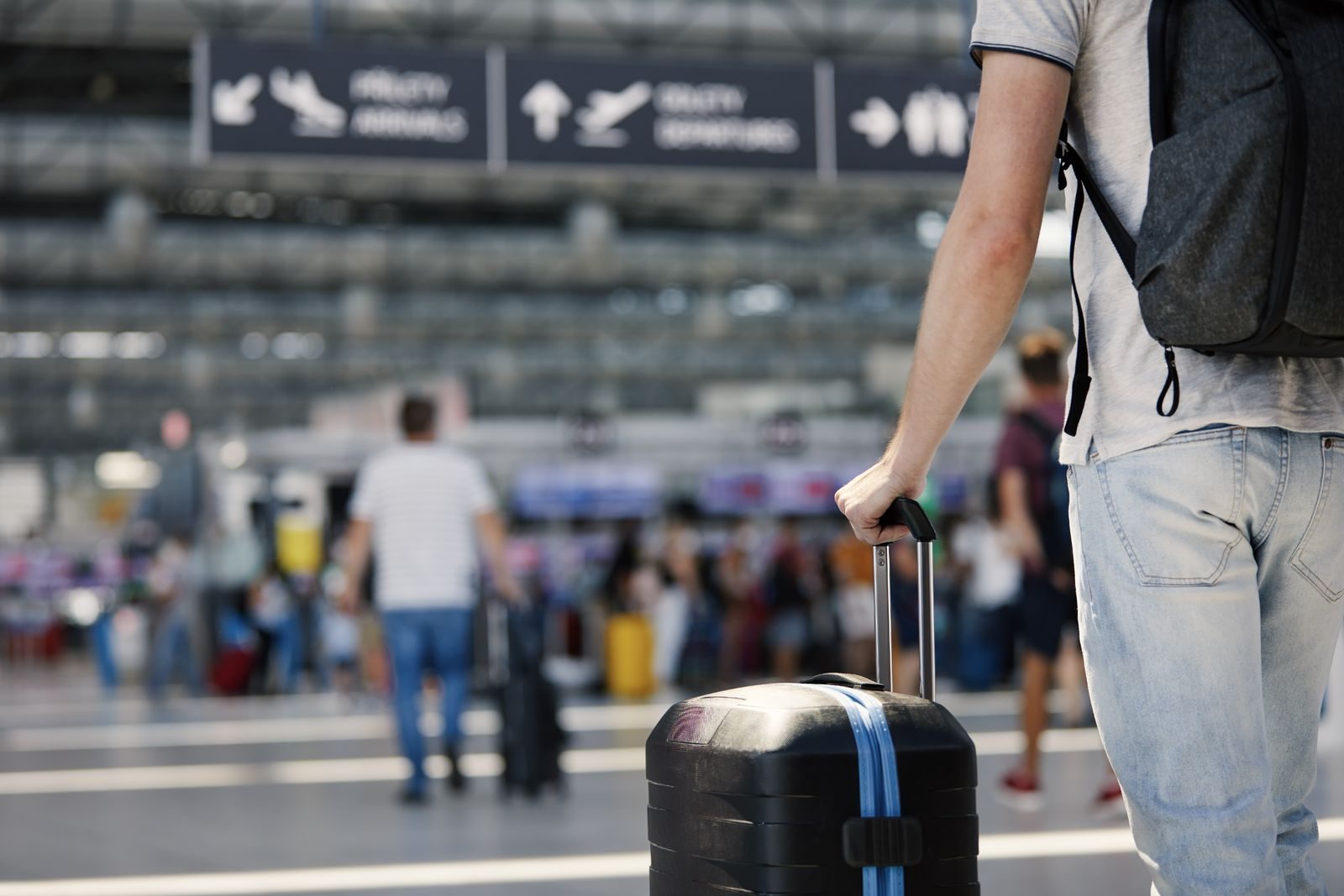
Going home to Sri Lanka is exciting, and knowing the customs rules saves time and money at the airport. If you're a Sri Lankan passport holder, you may be able to bring in goods duty-free, with a bigger allowance the longer you've been away, and more if you've been sending money home through banks.
Quick answers
- Sri Lankans returning home get a duty-free allowance that grows with time spent abroad.
- Sending money home through banks can increase your allowance.
- Declare foreign currency, gold jewellery and gems to the customs officer when you arrive.
Duty-free allowance for Sri Lankans (adults)
| Time abroad | Duty-free shop on arrival | Unaccompanied baggage (cargo) |
|---|---|---|
| Less than 90 days | US$187.50 | US$125 |
| 90 days to 1 year | US$625 | US$500 |
| More than 1 year | US$1,750 | US$1,000 |
Children under 18 have smaller allowances. Any unused shop allowance can be used for unaccompanied baggage, and anything over the allowance is taxed at normal rates. Alcohol is limited to 2.5 litres of spirits, 2 litres of wine and a quarter litre of perfume.
Bigger allowances if you send money home
Under a 2023 regulation, Sri Lankans who send money home through formal channels get an additional allowance in tiers, from US$600 extra (Silver, for US$2,400 to US$4,799 remitted) up to US$4,800 extra (Platinum). Check the Customs passenger guide for the current tiers and how to prove your remittances.
Is the arrivals duty-free worth it?
From experience
- Alcohol: prices are often still higher than in the UK or Europe. It's mainly a saving compared with prices inside Sri Lanka, or for people flying in from the Far East or Middle East buying Western brands.
- Chocolates and sweets: cheaper than in Sri Lankan shops, but some well-known brands are made for South Asia and can taste different. Coming from the West, many people buy them at home or in transit instead.
- Electronics: cheaper than in Sri Lanka, but you may find better prices where you live or in transit.
- Home appliances and bulky items (for example air conditioners): often the best value at the arrivals duty-free. Most shops arrange delivery or collection from a branch in Sri Lanka.
- Do your research before you land: compare prices, stock, and warranties online, and call the duty-free shops in advance if you have a specific item in mind. Don't start your research at the duty-free; arrive with your decision made.
Visitors (foreign passport holders)
Visitors can bring two regular bottles of wine, 1.5 litres of spirits, a small amount of perfume and souvenirs worth up to US$250 duty-free.
Flights and baggage tips
- Check your airline's baggage allowance carefully; extra bags are cheaper booked in advance.
- Keep valuables, medicines and documents in your hand luggage, and keep it within sight on the plane: thefts from overhead lockers have been reported while passengers sleep or leave their seats.
- Gifts for family count towards your allowance.
When you land: money, SIM and getting away
Changing money
- After you leave the customs area, the major banks have exchange counters with their rates on display.
- Know roughly what rates are on offer in Colombo (for example in Pettah) so you can judge the airport rate. If it's not good, change just enough for your first few days.
- Sending money ahead through an online transfer service or your bank, to your own or a trusted relative's Sri Lankan account, can give a better rate than changing cash. Compare on the day: there's no golden rule.
- Carrying large amounts of cash is risky. Declare foreign currency to the customs officer on arrival, and check Sri Lanka Customs for current limits.
SIM cards
- A local SIM is far cheaper than roaming. The main networks have counters in arrivals, all with tourist packages for different lengths of stay, which can be topped up online or in shops anywhere.
- One counter being busier doesn't mean it's better; tour groups often gather at one.
- In the main cities all networks have strong signal. If you'll spend time in remote areas, ask friends and family which network works best there.
- Visit regularly? Leaving a small balance on your SIM can keep your number active while you're away. If it doesn't reactivate when you land, the network's counter can tell you whether they can reactivate it or you need a new SIM.
Getting away from the airport
- Airport taxi representatives in arrivals often quote high fares at first.
- Ride apps such as Uber and PickMe (the local equivalent) are usually cheaper and show the fare upfront. Install them before you travel; Uber works with your existing number as soon as you land. Pick-up points are in a signposted area.
- Baggage helpers may offer help, or start helping without being asked, and then expect payment. Say clearly if you don't want help, and agree the fee first if you do.
- Public buses run from the airport, but depending on your destination and the time of day you may need to change at a bigger bus station.
From experience
- These landing tips come from regular trips home. Arrangements at the airport change, so treat them as a guide and check on the day.
Customs contacts
- Customs information desk: +94 11 2221333
- Toll-free enquiries (in Sri Lanka): 1915