
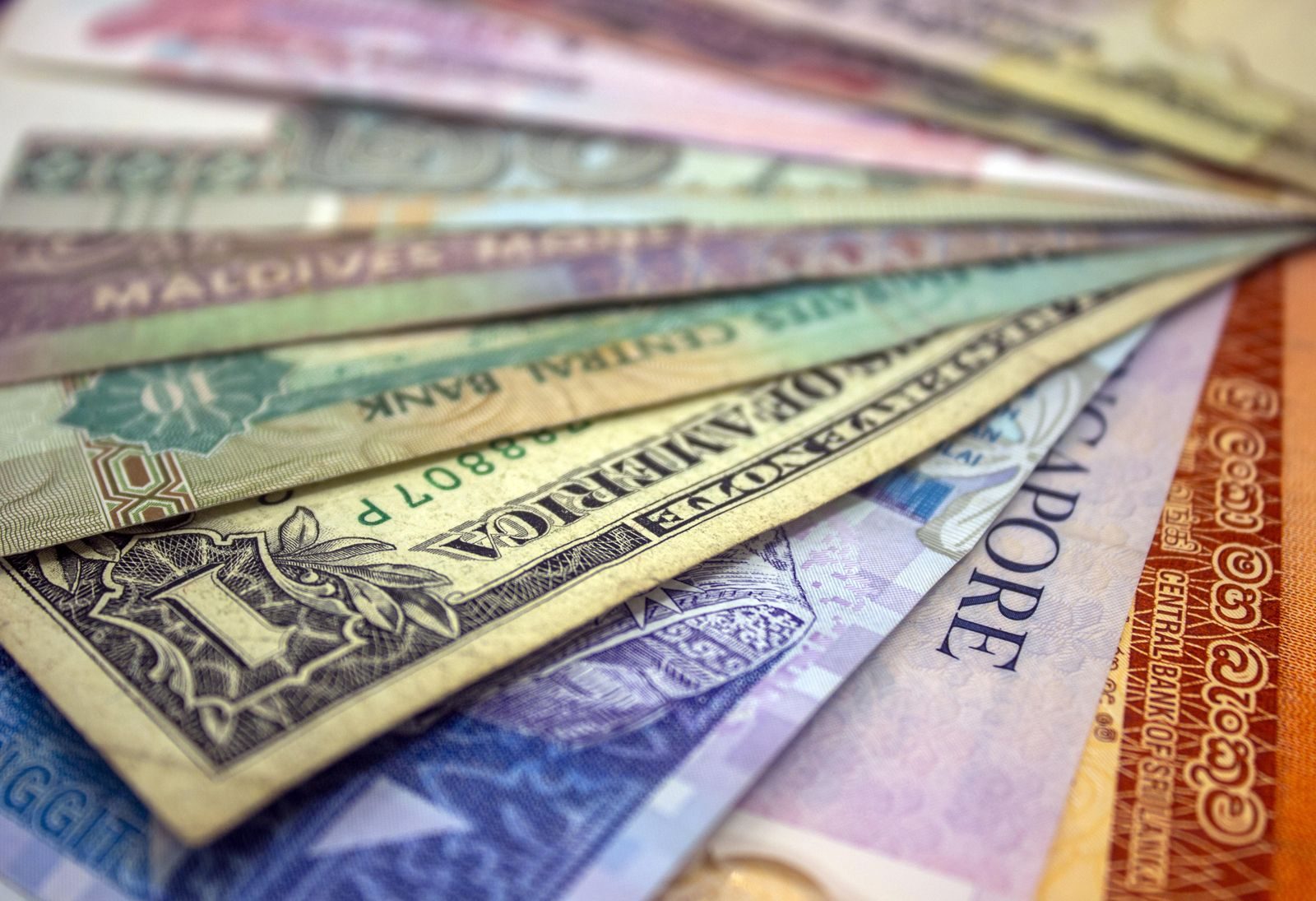
Sending money to family in Sri Lanka is easier than it used to be, but the cost can vary a lot between providers, and most of it is hidden in the exchange rate rather than the fee. This page explains the main ways to send money, which services send to Sri Lanka, what you really pay, and how to make sure your money goes through a safe, regulated channel.
Avoid informal channels and urgent requests
- Don't use undiyal or hawala agents or other unregistered middlemen: if something goes wrong, you have no protection and no one to complain to.
- Be very wary of anyone who asks you to send money urgently or in secret, even if the message seems to come from family. Call them on a number you already know first.
Quick answers
- Cheapest? Usually an online money transfer service paying straight into a Sri Lankan bank account, but always compare the total rupees your family will receive.
- Fastest? Cash pickup, mobile wallet and many online transfers can arrive within minutes. Cash pickup and wallet transfers often cost more; bank deposits can take one or two working days.
- Safest? A provider regulated in the country you send from, paying through a licensed Sri Lankan bank or a registered money transfer service.
The main ways to send money
| Method | How it works | Typical speed | Good for |
|---|---|---|---|
| Bank transfer (SWIFT) | Your bank sends money to the recipient's Sri Lankan bank account. | A few working days | Large amounts, people who prefer their own bank |
| Online money transfer service | An app or website converts your money and pays it into a Sri Lankan bank account. | From minutes to 1-2 working days | Regular payments to family |
| Cash pickup | The recipient collects cash at a bank or agent counter with their National Identity Card. | Minutes (often higher fees) | Emergencies, family without a bank account |
| Mobile wallet | Money is paid into a Sri Lankan mobile wallet where the provider supports it. | Minutes (often higher fees) | Small, quick payments |
| Exchange house (Gulf countries) | A licensed exchange company sends to a bank account or for cash pickup. | Minutes to a day | Workers in the Middle East |
Examples of services that send to Sri Lanka
These are examples to help you start comparing, listed alphabetically. They are not recommendations or endorsements, and we receive nothing from them. Always check the live rate and that the service is regulated where you live.
| Service | Ways to receive in Sri Lanka | Note |
|---|---|---|
| MoneyGram | Cash pickup and bank deposit through local agents | On the Central Bank of Sri Lanka's registered list |
| PayPal | PayPal balance, withdrawn to a linked Sampath Bank or Commercial Bank account (Bank of Ceylon coming soon) | Only receives payments from abroad, not within Sri Lanka; compare its fees and rate |
| Remitly | Bank deposit, cash pickup, mobile wallet | Works with many Sri Lankan banks |
| Ria | Cash pickup, bank deposit, eZ Cash mobile wallet | On the Central Bank of Sri Lanka's registered list |
| Western Union | Cash pickup and bank deposit through local agents | On the Central Bank of Sri Lanka's registered list |
| Wise | Bank deposit to Sri Lankan bank accounts | Check current Sri Lanka options in the app before sending |
| WorldRemit | Bank transfer, cash pickup, mobile money | Says most transfers to Sri Lanka reach its local partners within minutes |
What it really costs
You pay in two ways: a transfer fee, and an exchange-rate margin, which is the difference between the rate you get and the 'mid-market' rate (the rate banks use with each other, shown on financial websites). The margin is often the bigger cost, even when a provider advertises 'zero fees'.
The fairest way to compare is simple: for the same amount sent, how many rupees will arrive? Get two or three live quotes on the same day and compare that final figure.
Example (illustrative numbers only)
- You send £500. Provider A charges a £3 fee but gives a rate close to the mid-market rate. Provider B charges no fee but gives a rate 2% lower.
- Provider B's '£0 fee' costs about £10 in the rate, so Provider A is cheaper even with its fee.
From experience: compare again when markets are volatile
- When the rupee or your home currency is moving sharply, the rate offered by different providers for the same amount on the same day can differ by as much as 5-10%. Some providers' rates stay steadier than others during these periods.
- Check the final rupee amount with two or three providers just before you send, not days earlier, and check whether the rate is fixed once you confirm the transfer.
- Some services show how long a quoted rate is guaranteed, for example a countdown or 'rate guaranteed for 24 hours'. If you see one, send within that window; if there isn't one, assume the rate can change until you pay.
- This is a practical tip shared in good faith, not financial advice.
For context, the World Bank estimates that sending money worldwide costs an average of 6.36% of the amount sent (August 2025 update). Online services paying into bank accounts are usually well below that average.
Choosing a safe, regulated provider
If you're sending from the UK
Money transfer services must be authorised or registered by the Financial Conduct Authority (FCA). Before you use one, check it on the FCA's Firm Checker (the Financial Services Register), and make sure the website and phone number you're using match the ones on the register, because scammers copy the names of real firms. The FCA also publishes a Warning List of known scam firms.
If you're sending from another country
Check the provider with that country's regulator, for example AUSTRAC in Australia, FINTRAC in Canada, or the Central Bank of the UAE for exchange houses.
At the Sri Lankan end
Money should arrive through a licensed bank or a registered money transfer service. The Central Bank of Sri Lanka (CBSL) publishes lists of licensed banks and of registered Money or Value Transfer Service providers. As at 30 September 2026 the registered providers were MoneyGram, Western Union and Ria, each paying out through named local agents, mostly banks.
Lanka Remit app
Lanka Remit is a national remittance app developed by LankaClear and promoted by the Central Bank of Sri Lanka. It connects Sri Lankans abroad to existing formal channels, so money can be sent to bank accounts and mobile wallets, and transfers can be tracked.
Cryptocurrency
Some people send money through peer-to-peer cryptocurrency trades. This sits outside Sri Lanka's regulated banking and money transfer system: prices can swing sharply, there's no protection if a trade or platform fails, and money that can't be traced to a formal transfer may cause problems later. We mention it so you know the risks, not as a recommendation.
Why to avoid informal channels
Informal channels such as undiyal or hawala and unregistered agents work outside the regulated system. If something goes wrong there is no one to complain to, and money that can't be traced to a formal transfer may cause problems later, for example when your family uses it for a property purchase or a bank loan.
Incentives for sending money through banks
The Central Bank of Sri Lanka has mentioned proposed incentives for migrant workers who send money through formal channels, such as low-interest loans and enhanced duty-free allowances. Details are not officially confirmed. Watch the Central Bank's website and the Sri Lanka Bureau of Foreign Employment for formal announcements, and ask your Sri Lankan bank about any offers they run.
Tax
Whether and where tax applies depends on where you live and work, and on any double taxation agreement between that country and Sri Lanka. We don't give tax advice; check with Sri Lanka's Inland Revenue Department and the tax authority where you live (for example HMRC in the UK), or a qualified adviser.
What your family needs to receive money
- Bank deposit: their full name exactly as on the account, account number, bank name and branch. Sri Lanka doesn't use IBANs; some providers also ask for the bank's SWIFT/BIC code.
- Cash pickup: their National Identity Card and the reference number you give them.
- Mobile wallet: the mobile number registered to the wallet, if your provider supports it.
Watch out for scams
- Be wary of messages asking for money urgently, even if they seem to come from family. Call the person on a number you already know.
- Never send money to someone you've only met online.
- Never pay a 'fee' to release a prize, a parcel or a job offer.
Checklist before you send
- Compare the total rupees received from two or three regulated providers on the same day.
- Check the provider on your country's regulator register.
- Double-check the recipient's name, account number, bank and branch.
- Keep the receipt and reference number until your family confirms the money has arrived.
Sources
- FCA: how to check a firm or individual is authorised
- FCA Financial Services Register
- Central Bank of Sri Lanka: authorised financial institutions
- CBSL: registered Money or Value Transfer Service providers (as at 30 Sep 2026)
- CBSL: Lanka Remit national remittance app
- CBSL: proposed incentives for Sri Lankan migrant workers
- PayPal Sri Lanka: banking partners
- Remitly: sending money to Sri Lanka
- WorldRemit: sending money to Sri Lanka
- Wise: sending money to Sri Lanka
- World Bank: Remittance Prices Worldwide
- Inland Revenue Department, Sri Lanka